As anyone who has read the British official histories of the fighting on the Western Front knows, they are dense in detail; so dense in fact, that understanding the larger picture can sometimes be very difficult, even with the help of the excellent maps that accompany the volumes. However, every now and then there’s a flash not just of insight, but also judgement, and often judgement in stark and haunting words. The example that comes to my mind is the conclusion on the final days of the Battle of Loos: ‘The fighting on the 13th-14th October had not improved the general situation in any way and had brought nothing but useless slaughter of infantry.’ ‘Useless slaughter of infantry’ is such a sobering phrase. When translated into statistics it means somewhere in the region of 4000 casualties over a couple of days.
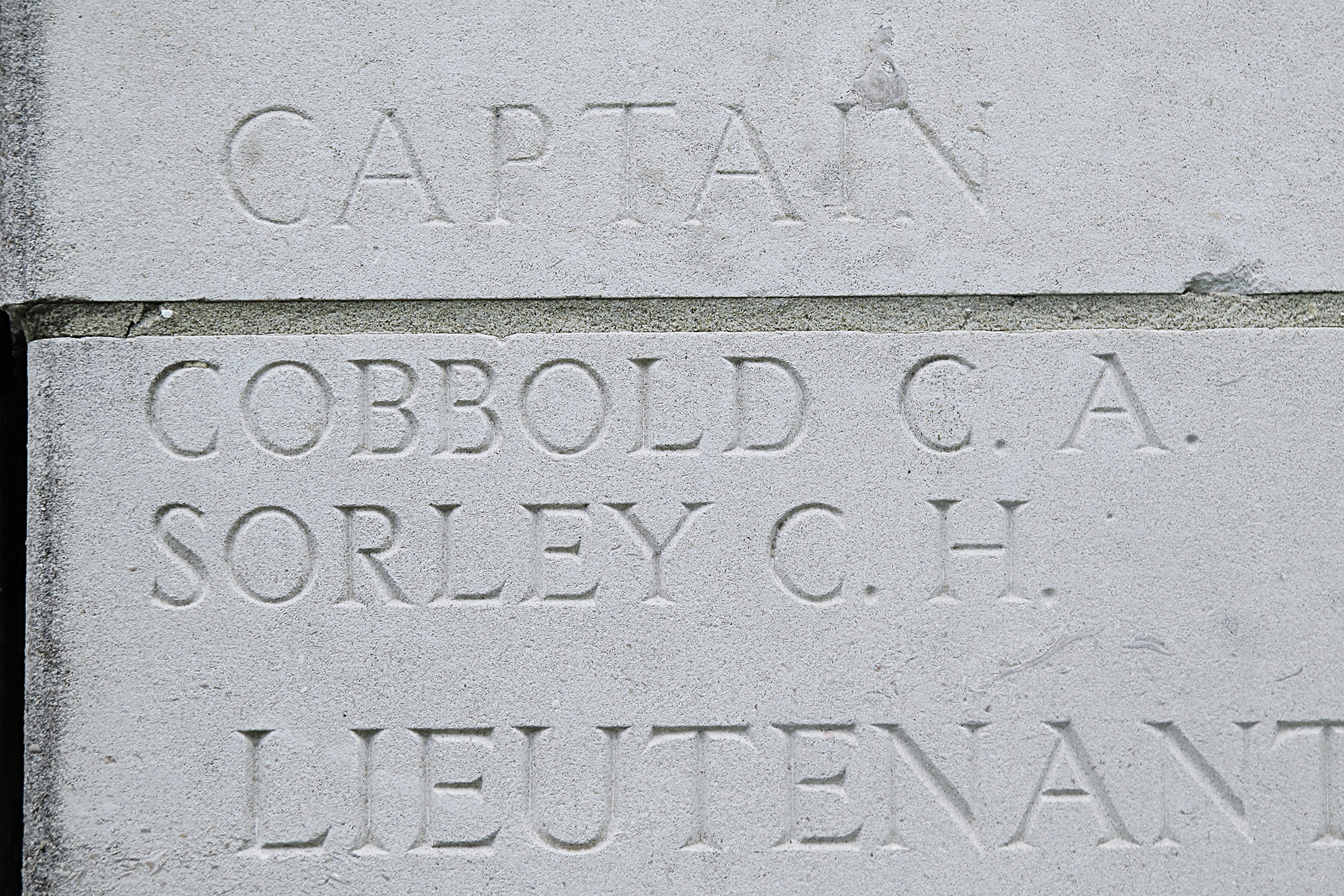
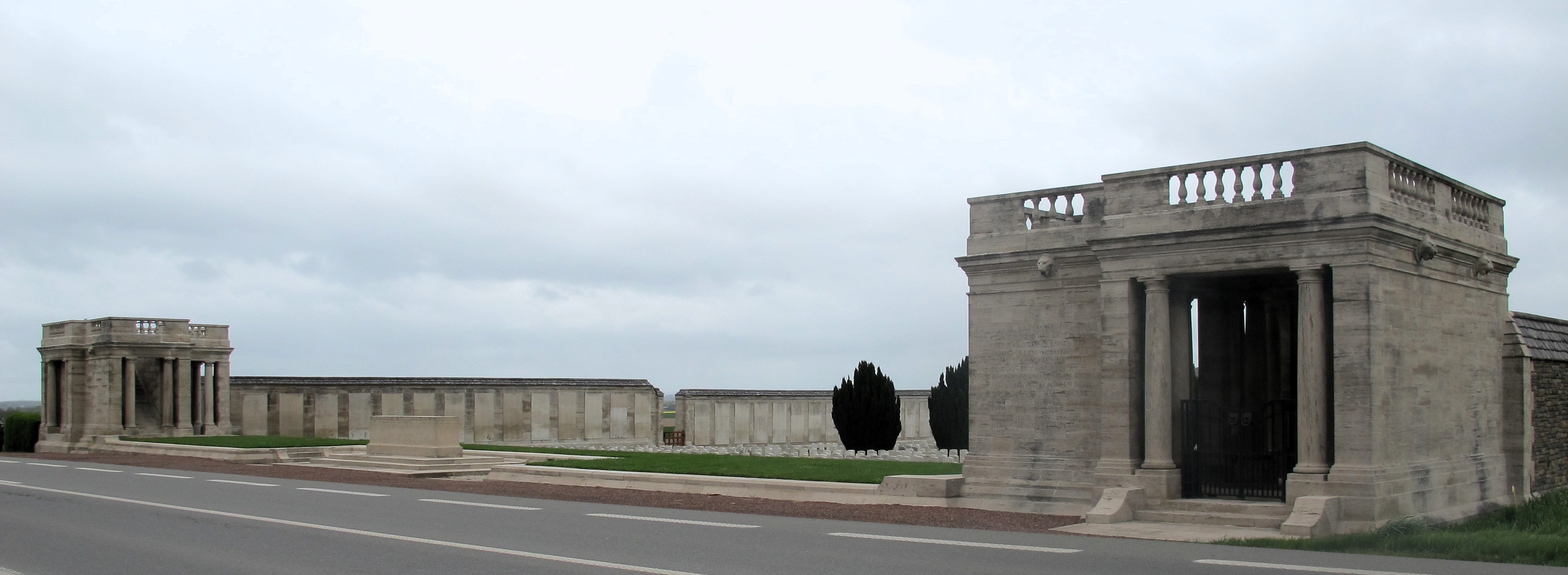
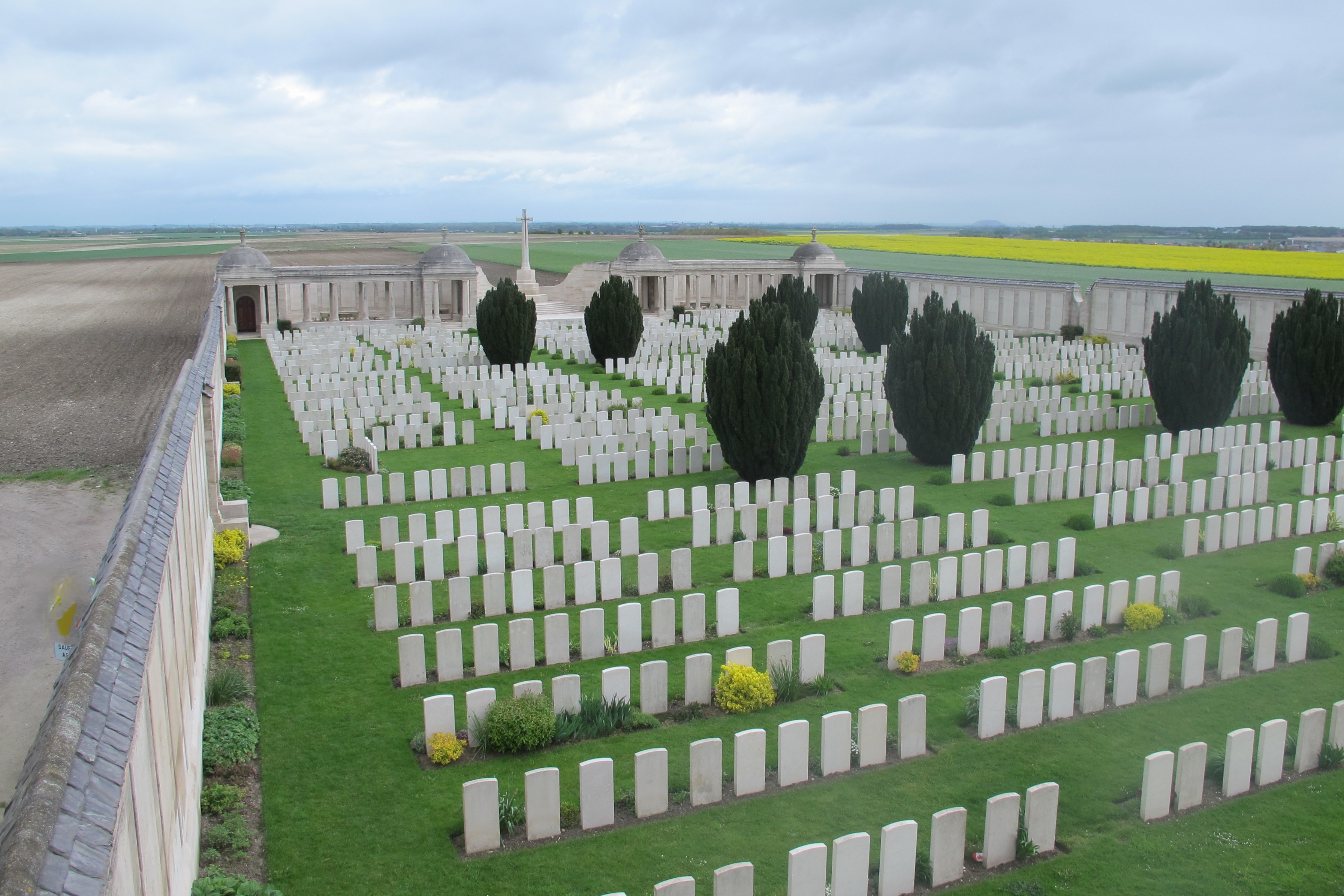
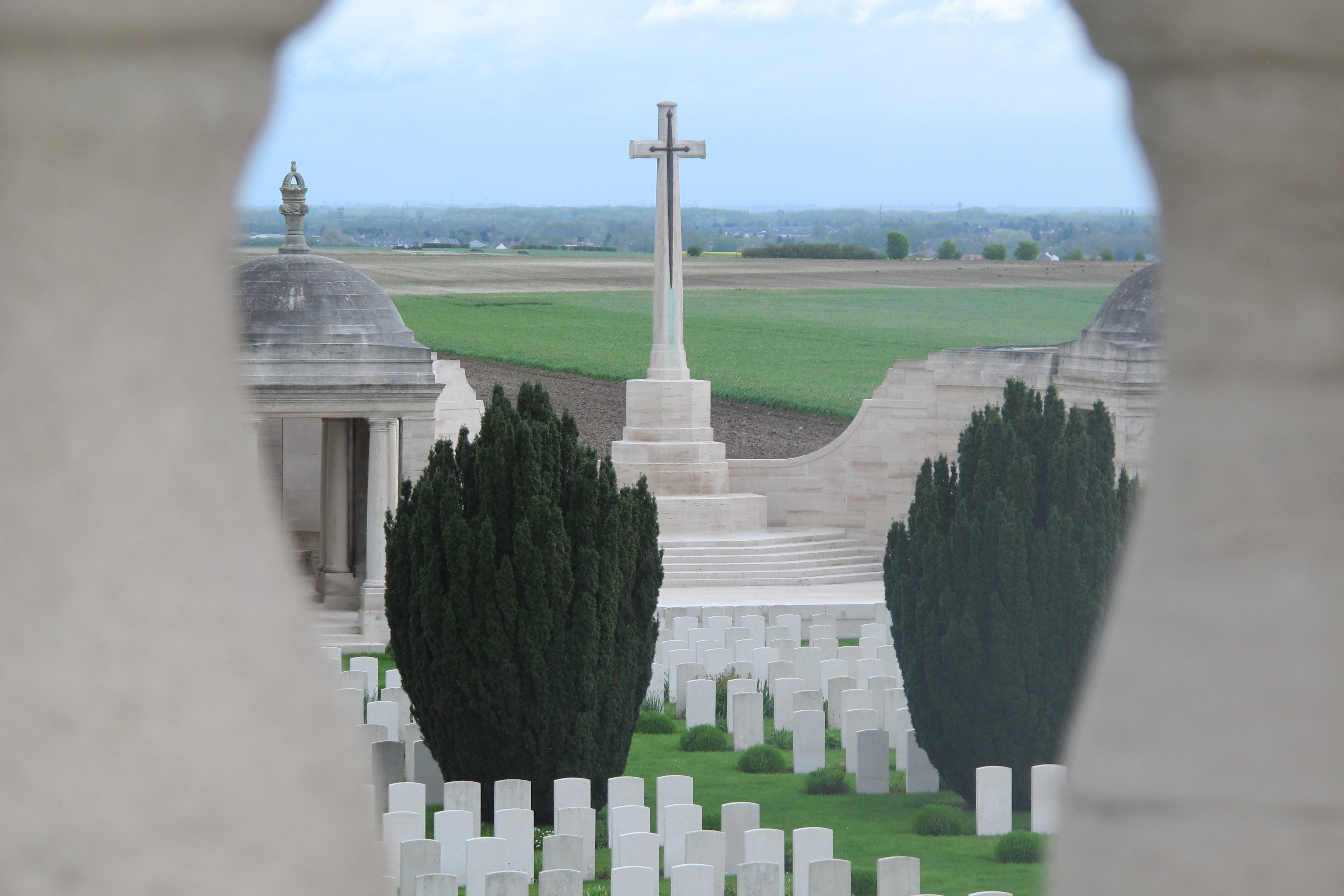
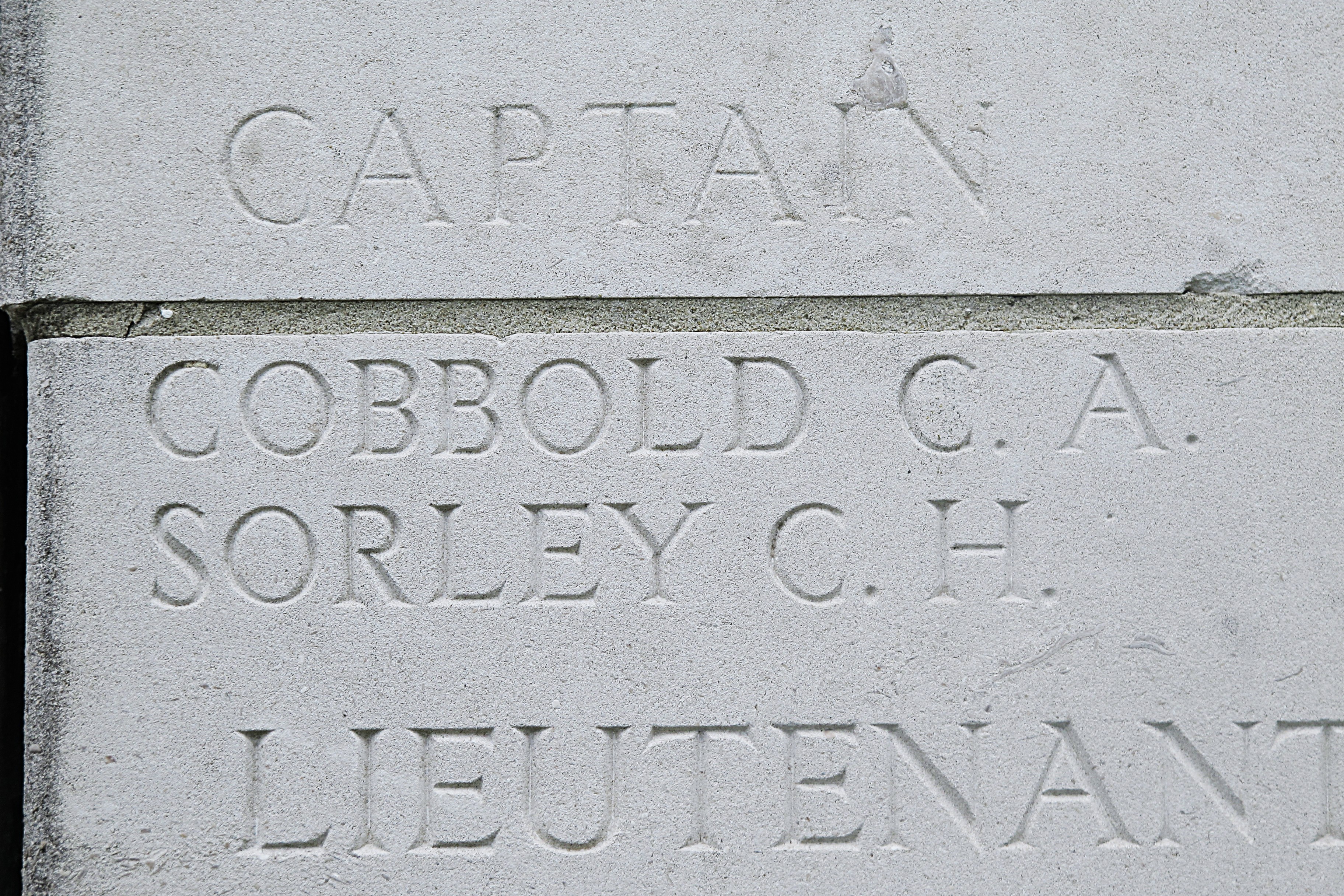
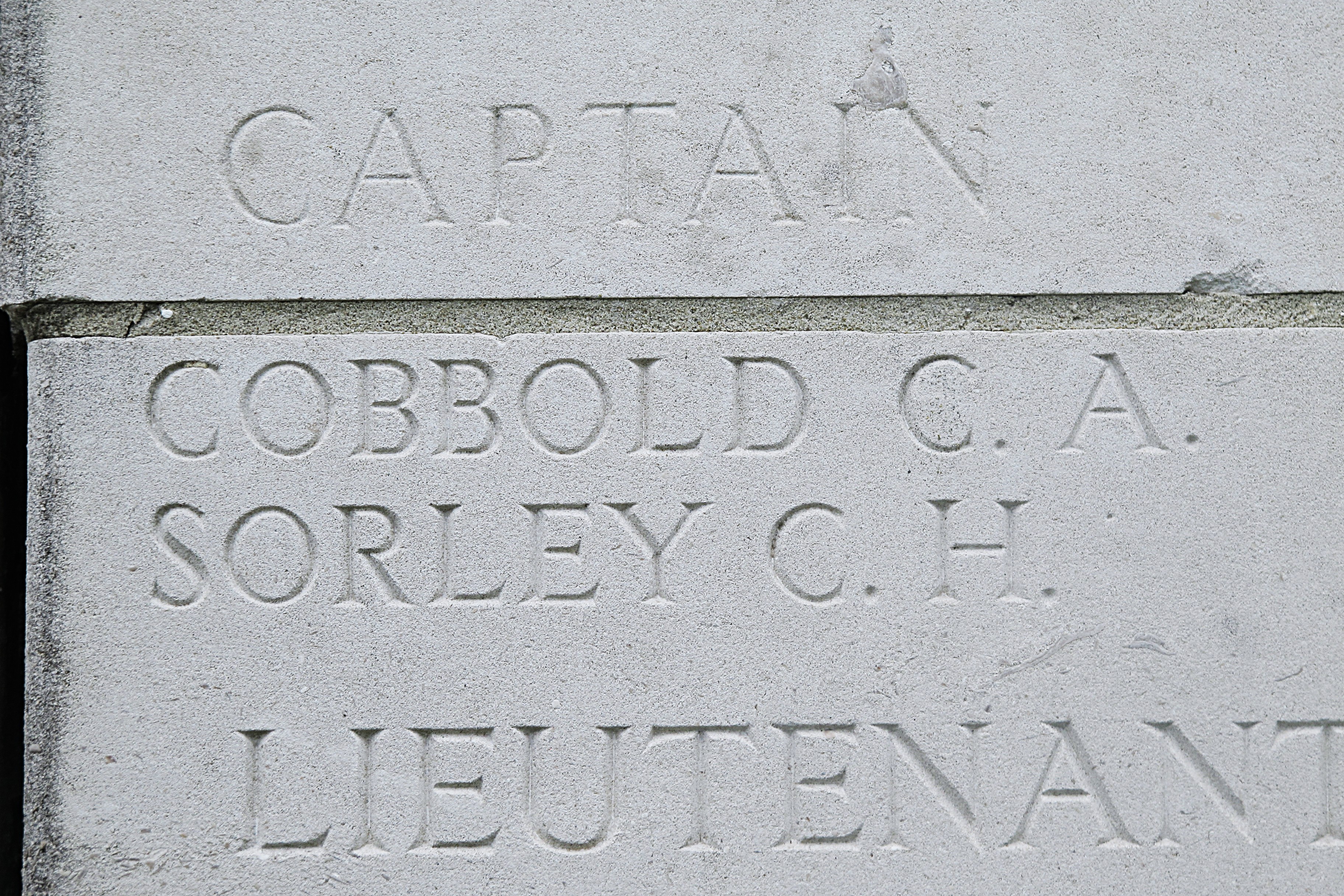
Among the fatalities was Captain Charles Hamilton Sorley of 7 battalion Suffolk Regiment. Sorley was shot in the head while leading his men in action against the Quarries position near Cité St. Elie at the northern end of the Loos battlefield. Sorley’s body was never recovered and after the war he was commemorated by the Imperial War Graves Commission on the Loos Memorial at the Dud Corner Cemetery, Loos.
My introduction to Sorley came in July 1986 when BBC1 screened a documentary about the Battle of the Somme. First broadcast in 1976 on the sixtieth anniversary of the battle, the programme captivated me. Having recorded it on a VHS cassette (remember those?), I watched it on a near continual loop and so became familiar with the reference to Sorley and a brief quotation from an untitled poem, but known by its first line, ‘All the Hills and Vales Along’. A few months later I started my A-Level courses, and part of the English syllabus was the war poets. Dished out with Brian Gardner’s wonderful anthology, Up the Line to Death, I was delighted to see three Sorley poems. In addition to ‘All the Hills and Vales Along’, there was another untitled poem, but again known by its first line, ‘When You See Millions of the Mouthless Dead’, and ‘To Germany’.
These three poems introduced me to Sorley, and the immediate impression I had was of the complexity and ambiguity in his work. ‘To Germany’ was particularly interesting to me. Here was a man attempting to find a way through the fact that Britain and Germany had found themselves enemies, while hoping that one day there would be peace, and with it, reconciliation. What gives this poem its power is that Sorley never questions why Britain is at war nor question his own role as a soldier. Was it fatalism, I wondered then and now. That sentiment certainly seemed to be at the heart of the other two poems in the anthology and is encapsulated in the final line of ‘All the Hills and Vales Along: ‘So be merry, so be dead’. Working my way through Up the Line to Death, I started my own crude classification system of the poets, and such lines led me to place Sorley in the category: ‘Brilliant, but difficult, and have I really understood it?’
Years later, I finally got hold of Sorley’s posthumously published collection, Marlborough and other poems (1916) and I remained fascinated. But it took me another thirty years for something blindingly obvious to hit me; and perhaps it is the kind of thing that only becomes truly, blindingly obvious once a certain age is hit. Sorley was only twenty years old when he was killed, which means almost all his poems were written in his late teens. A teenager had insight enough to write poems of such intellectual depth; a teenager had understanding enough of poetry to write with such technical skill. Sorley’s poetry pours out thoughts, ideas and images that might be expected from someone with a rich depth of life experience, someone who gained perspective and insight through the accumulation of years. Sorley’s poetry is remarkable.
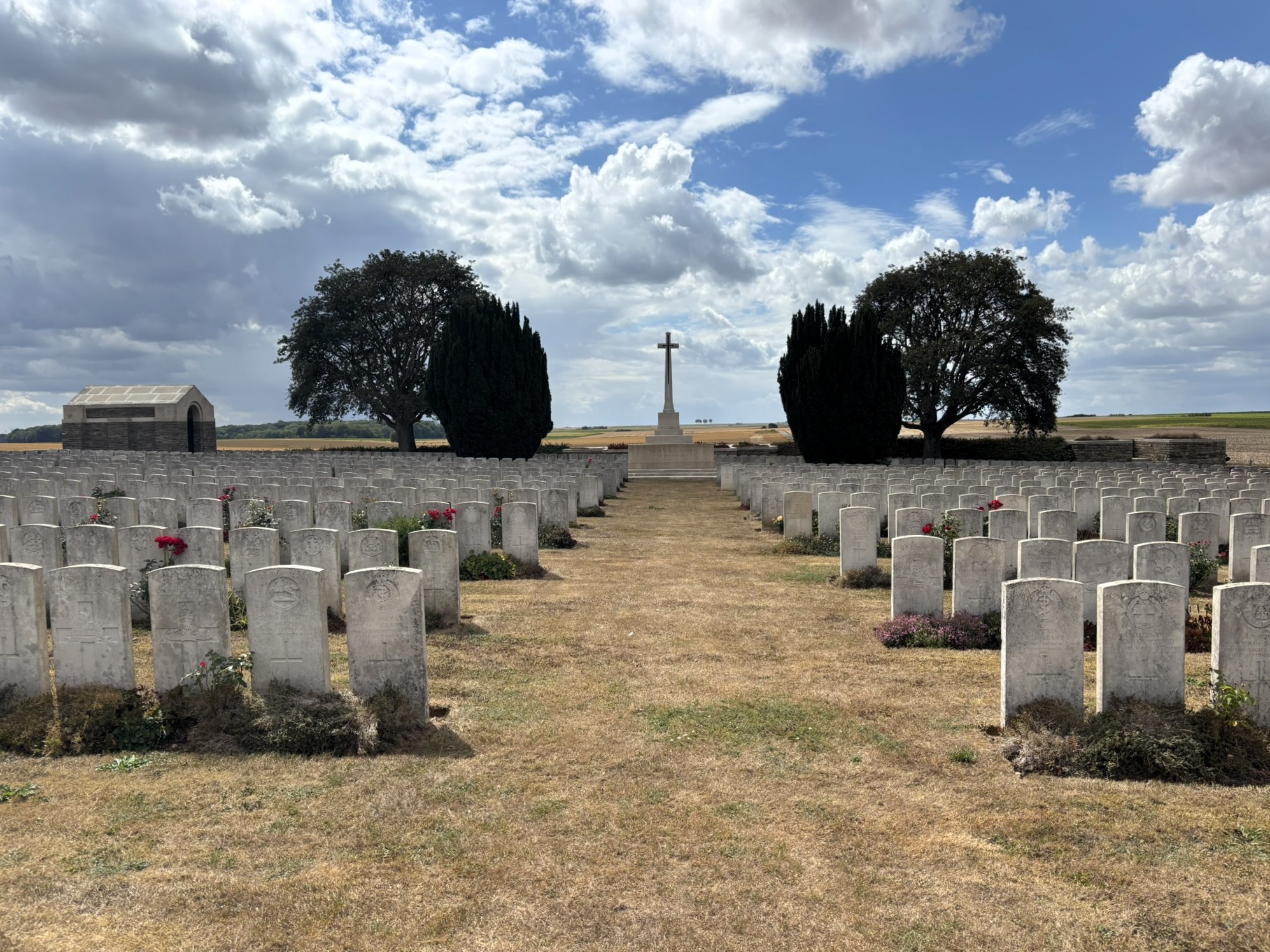
Every time I go to Dud Corner, I stand in front of Panel 37 and stare at his name. And staring at his name on that Portland Stone panel, I think of his prescient, hauntingly prescient, almost frighteningly prescient 1913 poem, ‘Stones’:
The field is almost white with stones
That cumber all its thirsty crust.
And underneath, I know, are bones,
And all around is death and dust.
Visit the battlefields with me as your guide, and let’s look at Sorley’s name together.